Bespoke business systems
Software built around the way you work.
We build systems around your processes, data and operational requirements. This can include internal business systems, workflow platforms, portals, operational applications and legacy replacement.
Talk to MSD
Designed from the process up
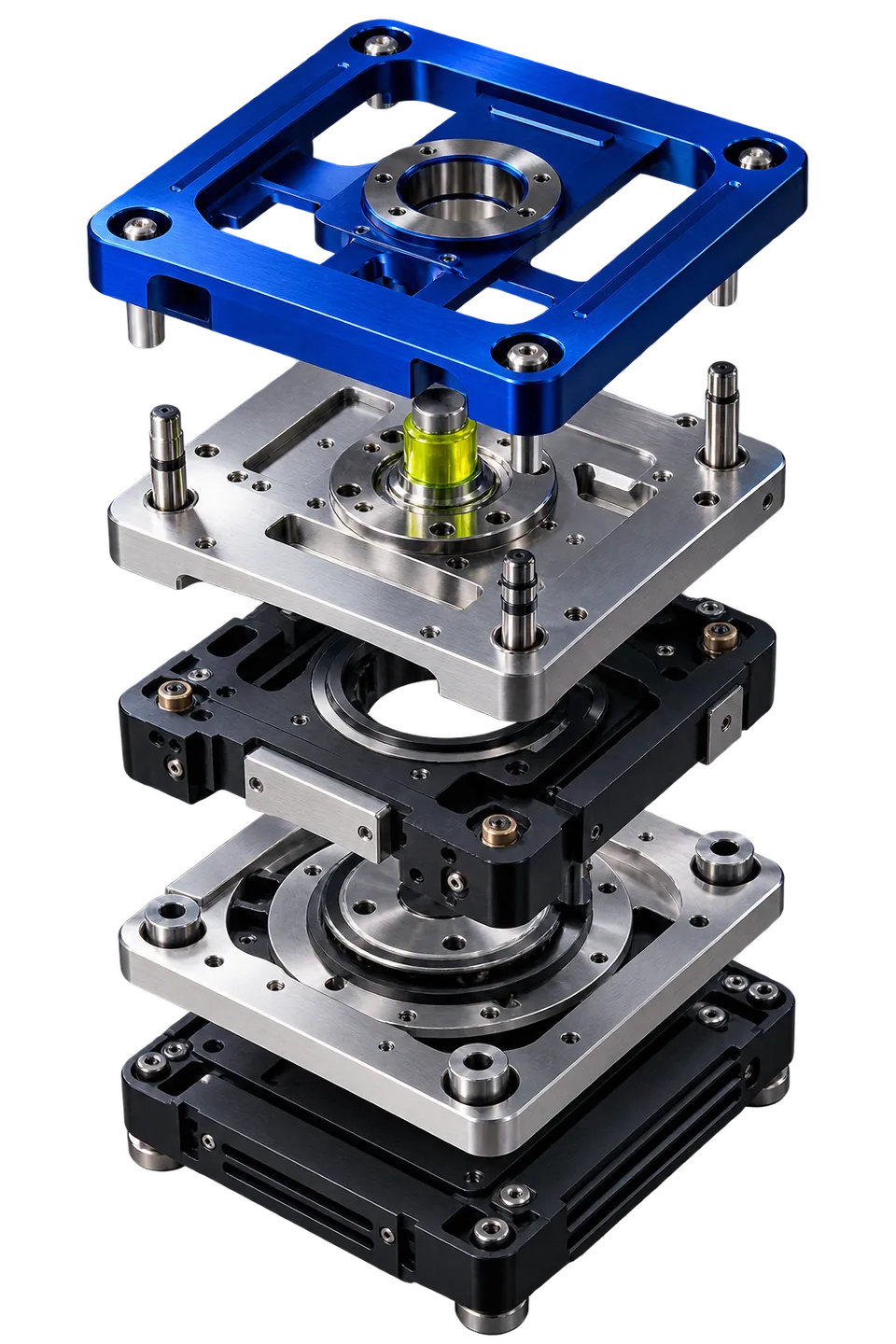
Every part
has a job.
- A place for people to work
- A customer portal, staff application or internal platform gives people the tools their process needs.
- A workflow that can be followed
- Rules and responsibilities are written into the system. The history records what happened and who acted.
- A connection to what already works
- Existing systems stay part of the architecture. Records move through agreed mappings and checked connections.
- Permissions from the beginning
- Access follows the work each person owns, with an audit trail across the process.
When the workaround
becomes the working day.
The operation has outgrown the tools around it. These are the problems we start with.
- A spreadsheet is running the business
- The operation depends on a spreadsheet, a shared inbox and somebody's memory of how it actually works. It needs to become software, with permissions and an audit trail.
- Manual administration everywhere
- People key the same information into more than one place because nothing else does it for them. The error rate is a symptom, not the problem.
- Fragmented systems that do not talk
- One platform holds the customer record, another the finance record, and a person reconciles the difference by hand.
- No internal platform at all
- The team coordinates by email and memory because nobody has built the tool that would replace it.
- Customers or staff need a portal
- People keep phoning to ask something a portal could answer for itself, because self-service was never built.
- Decisions are made without the data
- The information exists somewhere in the business. Nobody has built the dashboard that would put it in front of the person making the decision.
The software your
process calls for.
- Business systems and applications
- Operational software built around a specific process, from case management to booking and scheduling.
- Customer and staff portals
- Self-service for the questions people currently phone in to ask, with permissions built around who should see what.
- Operational dashboards
- The information that already exists in the business, put in front of the person who has to act on it.
- Workflow management
- The steps a process actually goes through, built as software with an audit trail instead of held together by habit.
- Data processing
- Records reconciled, matched and moved between systems without a person re-keying them by hand.
- AI decision support inside the workflow
- AI applied to the step that needs judgement on unstructured information, sitting inside the workflow rather than added on beside it.
A build you can follow.
A system you own.
Architecture, working demos and handover are part of the engagement.
Read the own-operation story ↗Discovery
The process gets mapped with the people who do the job today, and the scope gets written down.
Technical discovery
Architecture, integration map and risk are documented before anything is built.
Build
Development runs against the written scope, with the working system shown as it grows.
Handover
Documentation, environments, training and the source code, handed over complete.
Measure
Check the result against the agreed scope.
The engineering
belongs in the scope.
- Written scope
- Agreed and signed before development starts, so both sides are building the same thing.
- Architecture and integration map
- Documented before build, chosen for the operating environment and the team who will own it.
- Working demos
- The working system shown on an agreed cycle, not described in a status report.
- Documented handover
- Documentation, environments and training, handed over as part of the engagement, not an afterthought.
- Source ownership
- Source code and documentation are yours. You are never locked into us to keep running it.
- Monitoring
- Automated actions and integrations are monitored, with alerting on failure rather than silence.
The practical questions
Before
we begin.
What counts as bespoke software?
Bespoke software is written for one organisation's process, not adapted from a general product. If the workflow, the data model or the integration is specific to how you operate, that is a bespoke build.
What is the difference between bespoke and off-the-shelf software?
Off-the-shelf is bought as a product and the organisation adapts to fit it; bespoke is written around the process as it already runs. Most operations use both, and the two are compared by what each is being asked to do, not which sounds more modern.
How long does bespoke software development take?
It depends on the scope we write together during discovery. A single system and a legacy replacement programme are different pieces of work, and the phasing is agreed before anything is built, not estimated in the abstract.
Do you own the source code?
No. Source code, documentation and environments are handed over at the end of the engagement and belong to you outright.
Can you replace a legacy system without stopping trading?
Replacement is phased so the current system keeps running until its replacement is proven, rather than switched off in one move. Data is migrated and reconciled stage by stage, and the operation keeps trading throughout.
What does a software consultancy deliver before writing any code?
A written scope and a process map, produced with the people who do the job today, plus an architecture and integration map setting out how the system will be built and what it will connect to.
A conversation with a director
Show us the process your software should follow.
You do not need to know what technology you need. Tell us about the process. We will work out whether MSD can help.
Your operation is the starting point.