

Software engineering · Systems · Integration
Bespoke software development that ends with the source in your hands.
Business systems, portals, integrations and legacy replacement, built around one organisation's process rather than a product's. Discovery produces a written scope you own before anyone writes code, and handover gives you the source, the documentation and the environments.
Talk to MSD
named process per first engagement
directors on every engagement
day rates — a fixed price against a written scope
Six shapes of problem that end in a bespoke build.
If your situation is not one of these, we say so and point you somewhere better.
Nobody has written the scope down
The requirement lives in a handful of heads and a long email thread. Discovery turns it into a document you own, whoever ends up building it.
The last developer left with the knowledge
The system still runs the business and nobody can change it. The first job is reading what exists and writing down how it behaves.
Two products nearly fit
Each product covers most of the process and neither covers the part that matters. Somebody bridges the gap by hand every day.
The record exists in two places
Two platforms hold the same customer record and somebody types it into both. The duplicates, the credits and the reconciliation all come from one missing integration.
The replacement cannot stop trading
The platform running the business has to keep running while it is replaced. That makes the work phased, reconciled and reversible at each step.
Every new client adds an administrator
Volume is absorbed by hiring, because the repetitive steps were never automated. AI takes the steps that follow a rule and escalates the rest to a person.
The capability list supports the proposition. It is not the proposition.
Engineering, not web design. These are the forms the work usually takes.
Systems and applications
Operational and business systems. Customer and employee portals. Booking, scheduling and workflow platforms. Applications and internal software products.
Integration and data
API, CRM, finance and payment integration. Workforce-management platform integration. Data migration and reconciliation. Monitoring, alerting and error handling.
Legacy and AI in the workflow
Legacy replacement and phased migration. AI decisioning designed into an existing process. Document and unstructured-data handling. Automation of the repetitive manual step.
What we do not do
No AI worker is live for a client yet
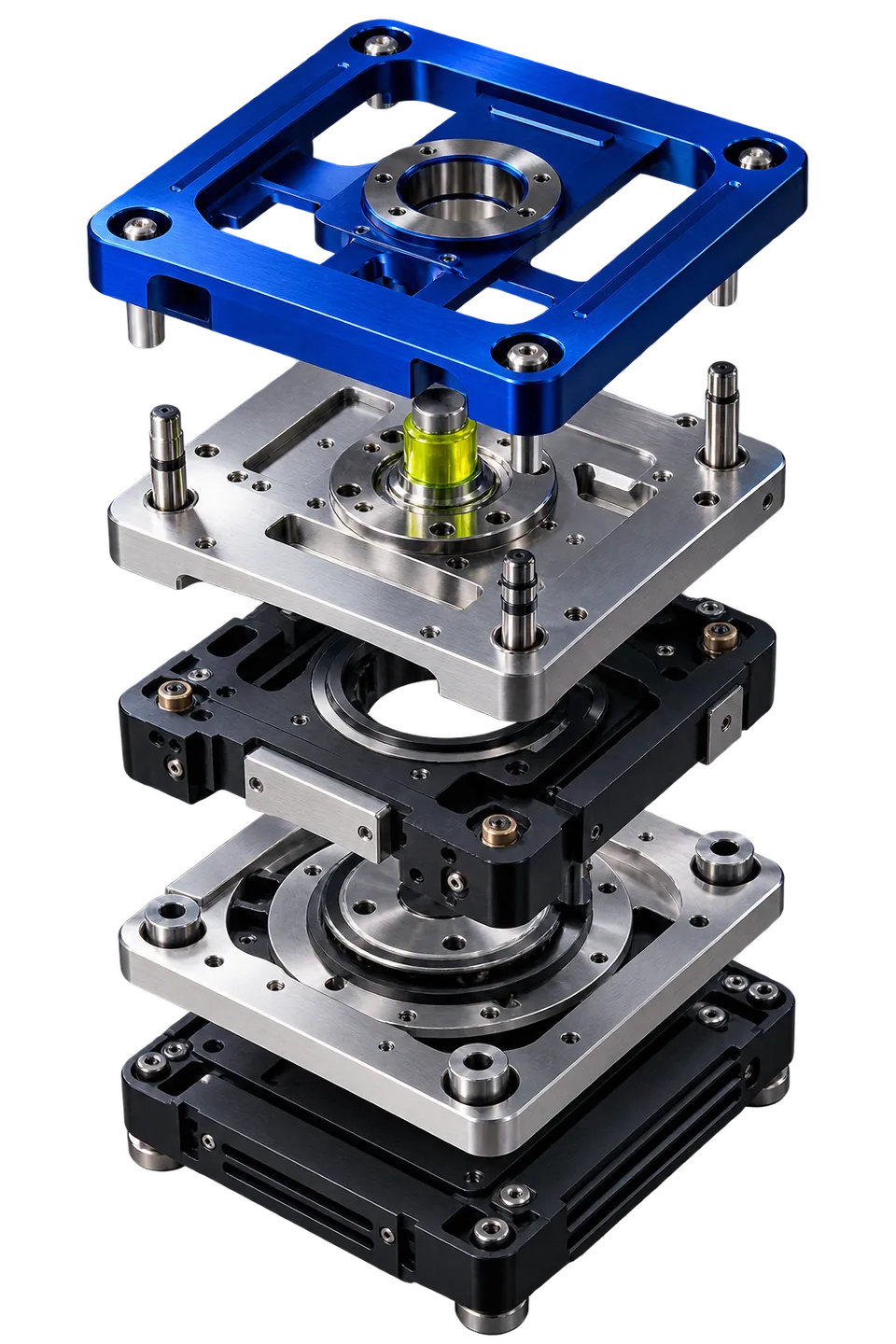
A professional software engineering process, written down.
Every stage produces an artefact you keep — a scope, an architecture, a demo, a handover pack. Nothing is invisible and nothing is verbal.
The engineering standards behind it.
| Area | How we handle it |
|---|---|
| Architecture | Documented before build. Chosen for the operating environment and the team who will own it, not for novelty. |
| Integration | APIs where they exist; authenticated portal and inbox automation where they do not. Everything monitored and alerting. |
| Data | Migration planned and reconciled. UK data residency where required, with processing terms and a DPIA. |
| Accessibility | Tested against recognised accessibility standards rather than assumed. Expected on public-sector work. |
| Security | Least-privilege credentials, an audit trail on every automated action, dependency and access review at handover. |
| Release | Works alongside an internal team, to their standards, their environments and their release process. |
Straight answers before you call.
What counts as bespoke software?
What are some examples of bespoke software?
What is an MVP in software development?
Do we own the source code and the documentation?
Can you replace a legacy system without stopping trading?
What does a software consultancy deliver before any code?
Related reading
A conversation with a director
Describe the system that does not exist yet.
A short call with a technical director, then a discovery session with the people who do the work today.
Your operation is the starting point.